
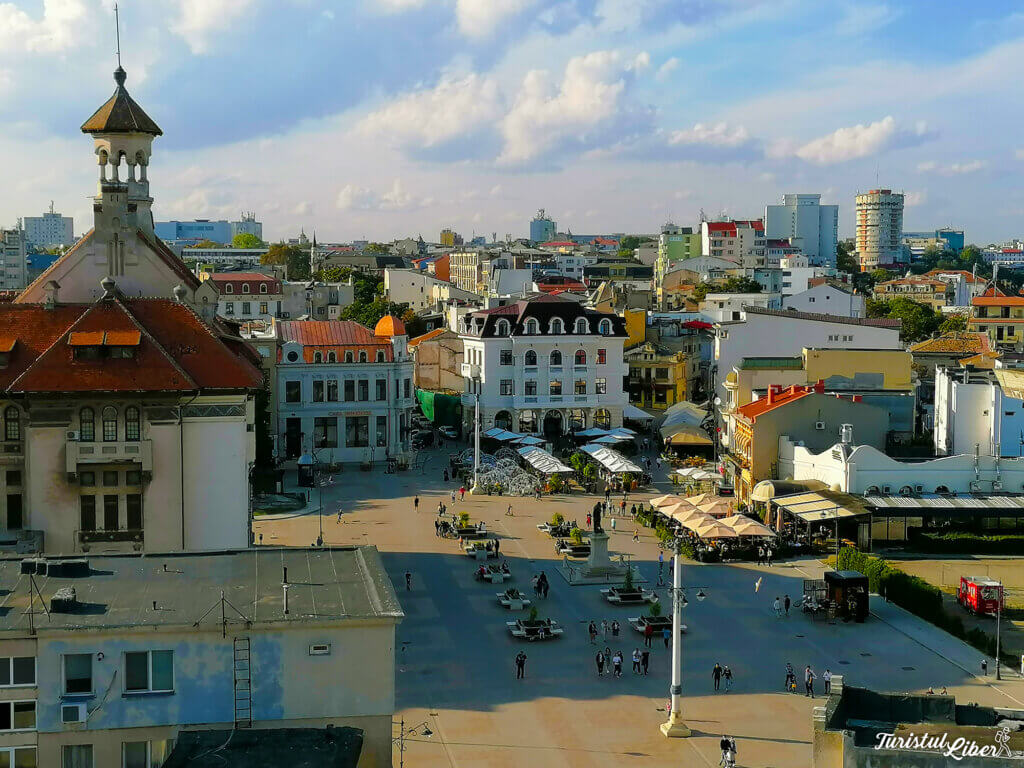
Things to do in Constanta, Romania – 25 ideas from a local
Are you planning a vacation by the sea and want to know which Constanta tourist attractions to visit?
Look no more.
Here you’ll find the best sights to see, recommendations for activities, good restaurants, great places to eat, unique accommodation and much more.
Constanța is a city of contrasts. You either love it or you hate it. Coming from its past, there’s nothing you can do.
I guess if you googled “what to visit in Constanța”, you want more than an afternoon on the beach.
And, surprise! There really are many things to do in Constanta!
Read on, because I’m about to introduce you to some of the city’s absolute highlights.
From a local’s perspective, of course.
Contents:
- Why visit Constanta?
- Best things to do in Constanta
- Where to eat well in Constanta
- Where to have a good coffee in Constanta?
Among the most beautiful sights in Constanta are Ovidiu Square, Carol I Mosque, Nicolae Titulescu Street, Villa Șuțu or Tomis Port.
In Constanta you can eat well at Pizzico, Attic Millennium or Gyros & Doner.
Among the best cafes in Constanta are Corretto, Nuruk and Cuib Cafe.
Why visit Constanta?
Constanța is a unique destination on the Romanian coast, where sunny beaches combine with a rich historical and cultural heritage.
Founded by Greek settlers from Miletus in the 6th century BC under the name of Tomis, Constanța offers you the chance to explore ancient vestiges, historic buildings and impressive museums.
By the way, if you didn’t know, Constanta is the oldest still inhabited city in Romania.
If you want an unforgettable experience, Constanta awaits you with a host of varied sights and exciting activities. Constanta is not only about the seaside, but also about culture, history, art and nature.
Discover what to visit in Constanța!
Want more than just wandering the streets of Constanta?
👉 Choose the Self guided walking tour of Constanta, an immersive experience we have developed especially for you. It’s a tour including 22 sights that can be done only with your phone. You have a captivating recording for each point on the tour, so you can enjoy the story of each place you visit.
Best things to do in Constanta
If it’s not your first time in Constanta, you might be used to walking on Tomis Boulevard, going to Ovidiu Square, enjoying the waterfront of the Casino and that’s about it.
But Constanta has much more to offer.
Behind the plaster of the buildings are stories written more than a century ago.
See below some of the most beautiful sights in Constanta and don’t forget that you can always contact us if you want a guided tour of the city!
Table of contents:
- Casino Constanta
- Casino Promenade
- Roman Mosaic Edifice
- Museum of National History and Archeology
- Ovidiu Square
- Carol I Mosque
- Genoese Lighthouse
- Tomis Tourist Port
- Metamorphosis Greek Church
- The Wind Street
- Villa Sutu
- The Moor House
- Armenian Church
- Stone House
- Synagogue of Constanta
- Hrisicos House
- Statue of Ovid
- Former Mercur Hotel
- The Lions’ House
- Hotel Intim
- Roman Catholic Church
- Embiricos House
- Constanta Dolphinarium
- Tabacarie Park
- Santa Maria Bay
1. Casino Constanta – Top tourist attractions Constanta
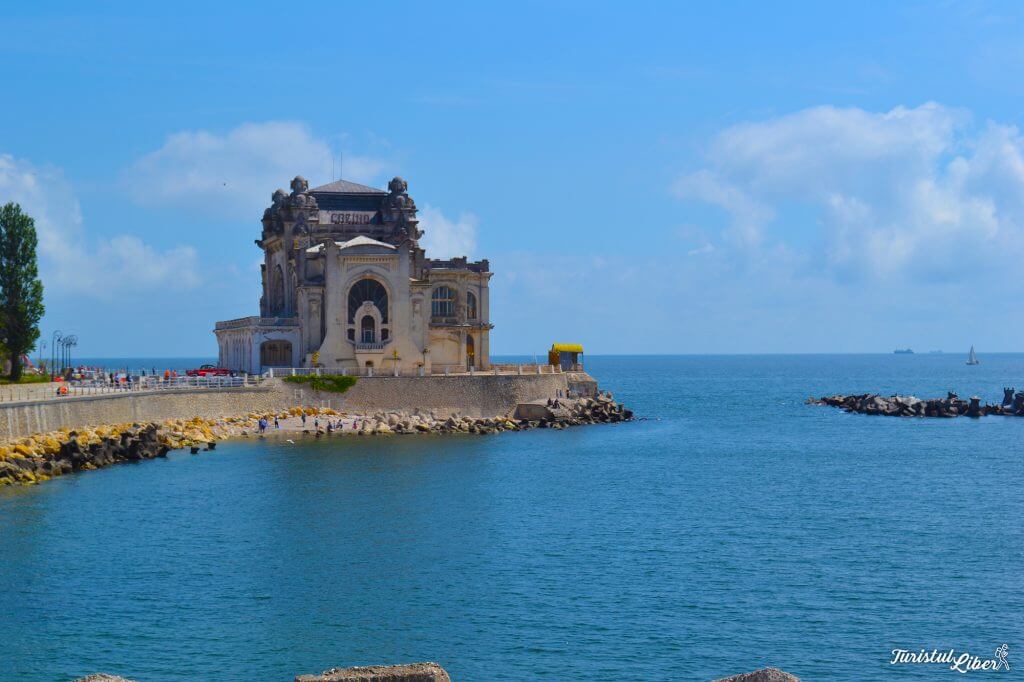
Constanta Casino is one of the most representative symbols of the city and a true monument of Art Nouveau. Built in 1910 on the initiative of King Carol I, the building was designed to be a place of recreation and socializing for tourists of the time.
Situated on the seafront, the Casino offers a great view of the sea. It also impresses with its architectural details such as stained-glass windows, sculptures and intricate decorative elements. Today the casino remains a place to visit for its unique exterior and to admire the nostalgic atmosphere of the glory days of the Romanian seaside.
It was renovated and reopened in 2025. See the official website here.
2. Casino Promenade
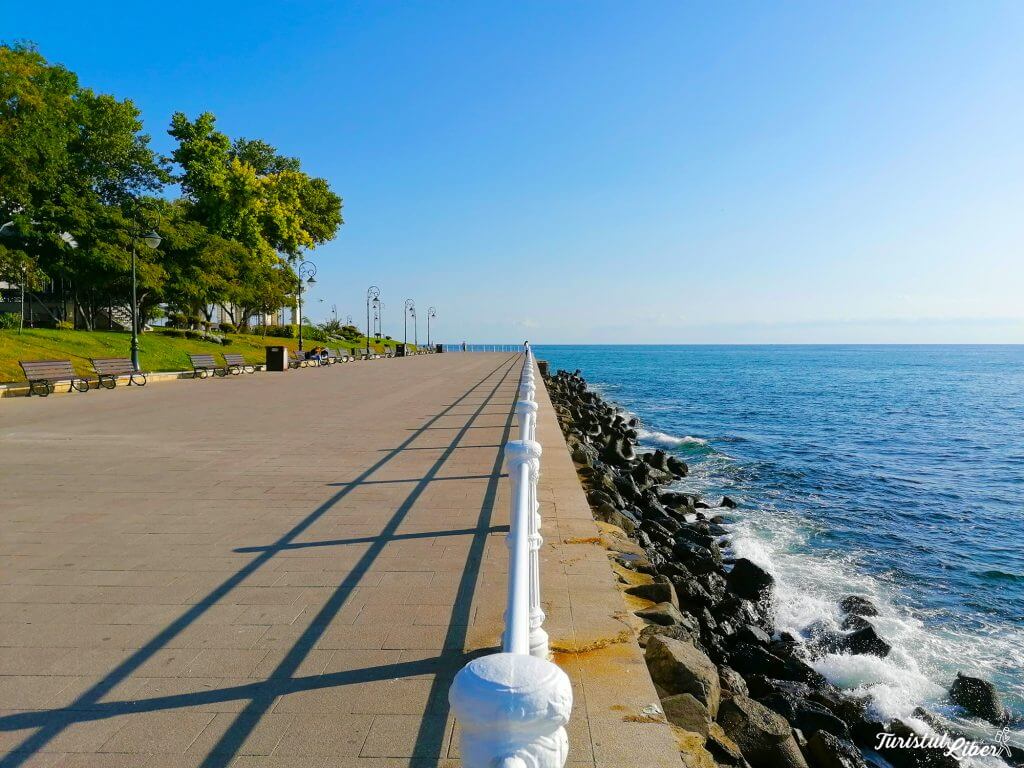
Casino waterfront in Constanța is one of the city’s landmarks, combining the natural beauty of the Black Sea with the impressive history and architecture of the Casino. Situated along the seafront, the promenade offers a spectacular view of the harbor and the water. It is an ideal place for relaxing walks.
In addition to the stunning scenery, the seafront is also home to one of Constanța’s most famous buildings, the Casino. It is a symbol of the city, built in the early 20th century, which attracts tourists and locals alike. The waterfront is a popular promenade. Here you can discover the mix of old and new, strolling along the cobbled stone walkways and enjoying the salty sea air.
3. Roman Mosaic Edifice
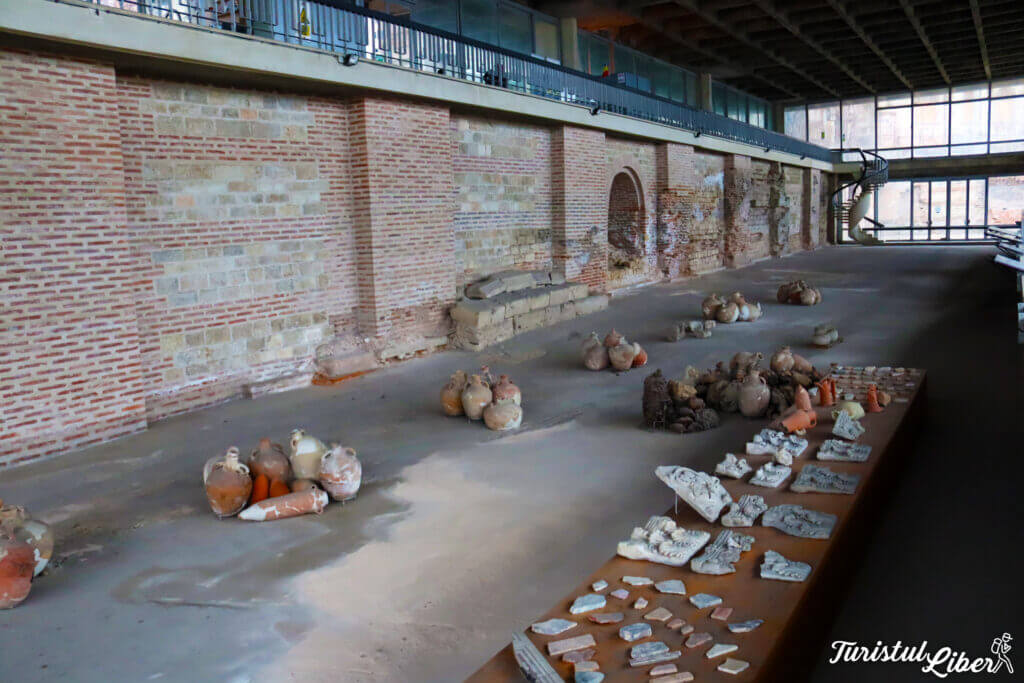
The Roman Mosaic Building is an archaeological treasure that reveals fragments of the life of the ancient city of Tomis. It is located next to the Museum of National History and Archaeology. Discovered by chance in the 1960s, the edifice contains more than 2,000 square meters of multicolored Roman mosaic, part of a commercial complex dating back to the 3rd-4th centuries AD.
Here you can admire spectacular mosaics, each piece painted with geometric and vegetal motifs specific to the period. A visit here is a journey back in time and offers an authentic insight into Roman civilization.
UPDATE 2025 – The mosaic is currently being restored and will be open to visitors in the near future.
4. Museum of National History and Archaeology Constanta
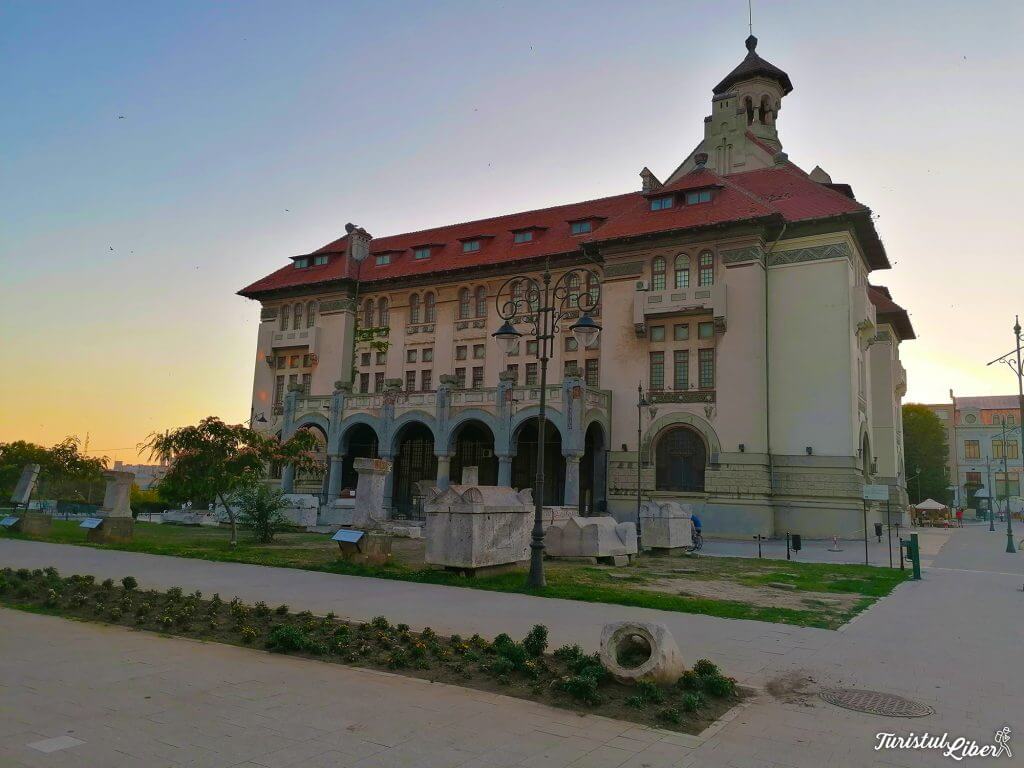
Located in Ovidiu Square, the Museum of National History and Archaeology Constanta is one of the oldest museums in Romania. It houses impressive collections of artifacts evoking the history of Dobrogea. Founded in 1878, the museum displays finds from Greek and Roman civilization to the Middle Ages.
It will catch your eye with ancient statues, coins, inscriptions and jewelry, as well as rare relics such as the painted tomb at Tomis.
UPDATE – As of September 2024, the Museum is under restoration and can no longer be visited inside.
5. Ovidiu Square
Ovid’s Square, named in honor of the Roman poet Ovid, is considered the ancient heart of Constanta and one of the liveliest places in the city. In the middle of the square stands a statue of Ovid, exiled to Tomis by Emperor Augustus.
The atmosphere of the square is special, with historic buildings, terraces and restaurants, making it the ideal place to relax. Ovidiu Square in Constanța is also the starting point for exploring several important sights, including the History Museum and the Roman Mosaic Edifice.
6. Carol I Mosque
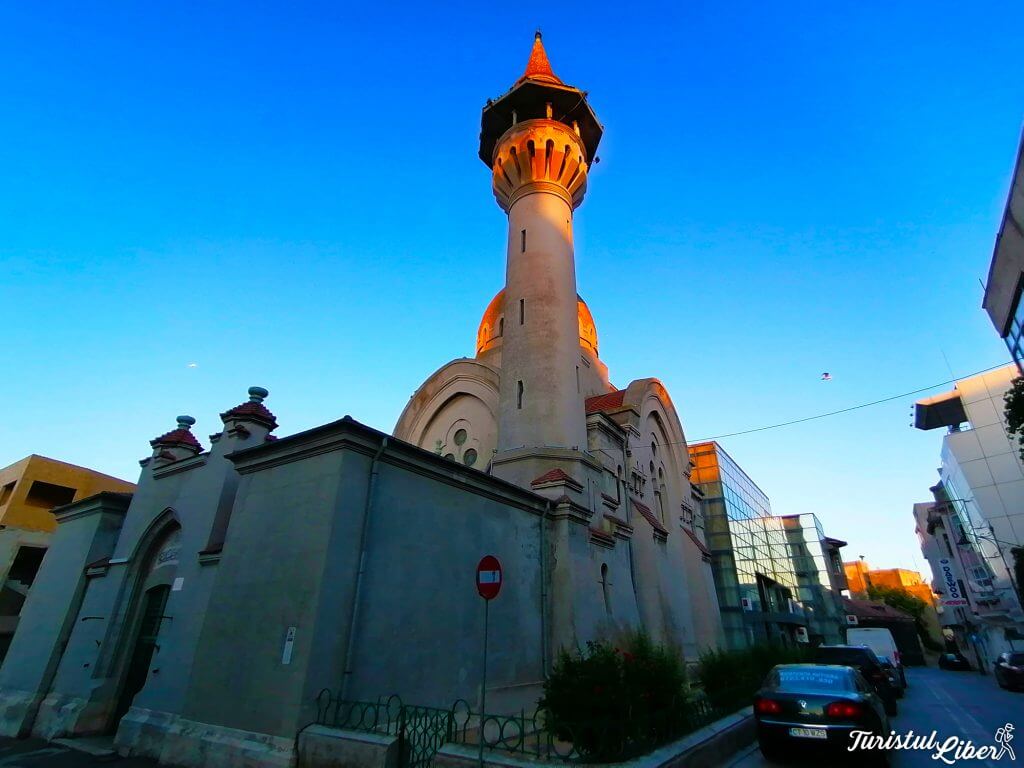
The Carol I Mosque, also known as the Royal Mosque, is an impressive building erected in 1910 on the initiative of King Carol I to celebrate the Muslim community in Dobrogea. The building combines Moorish and Ottoman architectural influences, and its 47-meter-high minaret offers a spectacular view of Constanta and the Black Sea.
The interior is decorated with Turkish carpets and Arabic inscriptions, and the atmosphere inside attracts many visitors. The mosque can be visited daily, and access to the minaret is open to the public for those who want to climb to the top.
7. Genoese Lighthouse
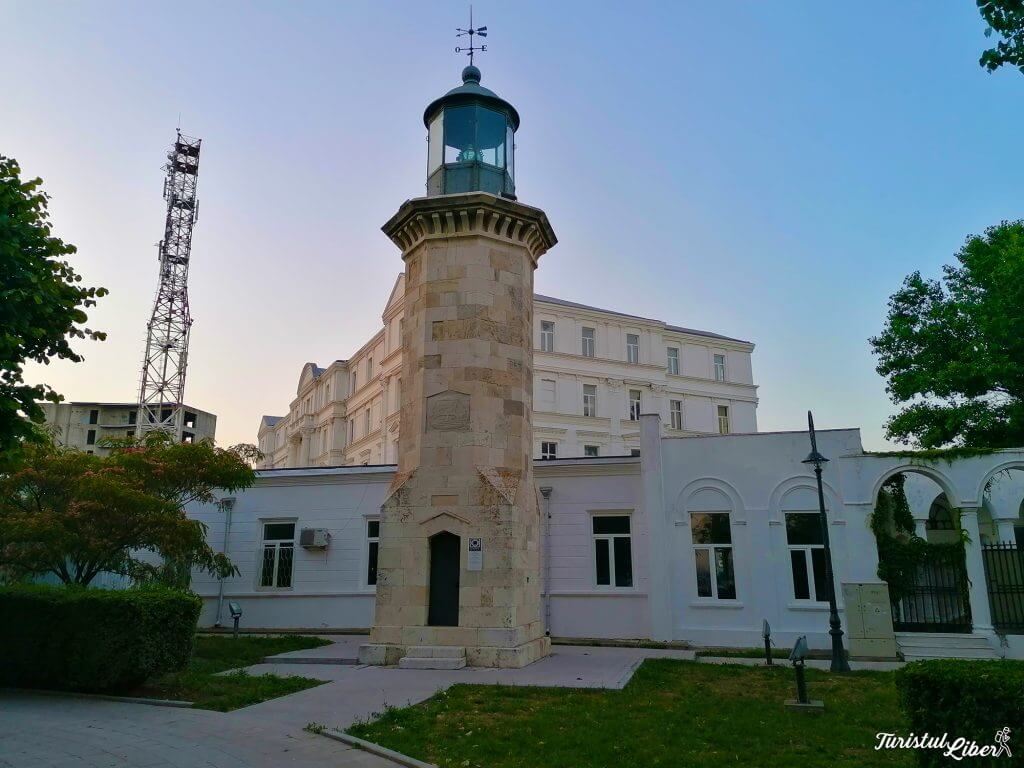
Genoese Lighthouse, one of the oldest monuments in Constanta, was originally built in the 13th century to guide Genoese merchants sailing on the Black Sea. Located close to the Casino, the lighthouse was rebuilt in the 19th century by the English company that worked to modernize the port of Constanta.
Although no longer operational, the Genovez Lighthouse remains a popular historical attraction because of its maritime importance and the beautiful views it offers of the sea.
8. Tomis Tourist Port
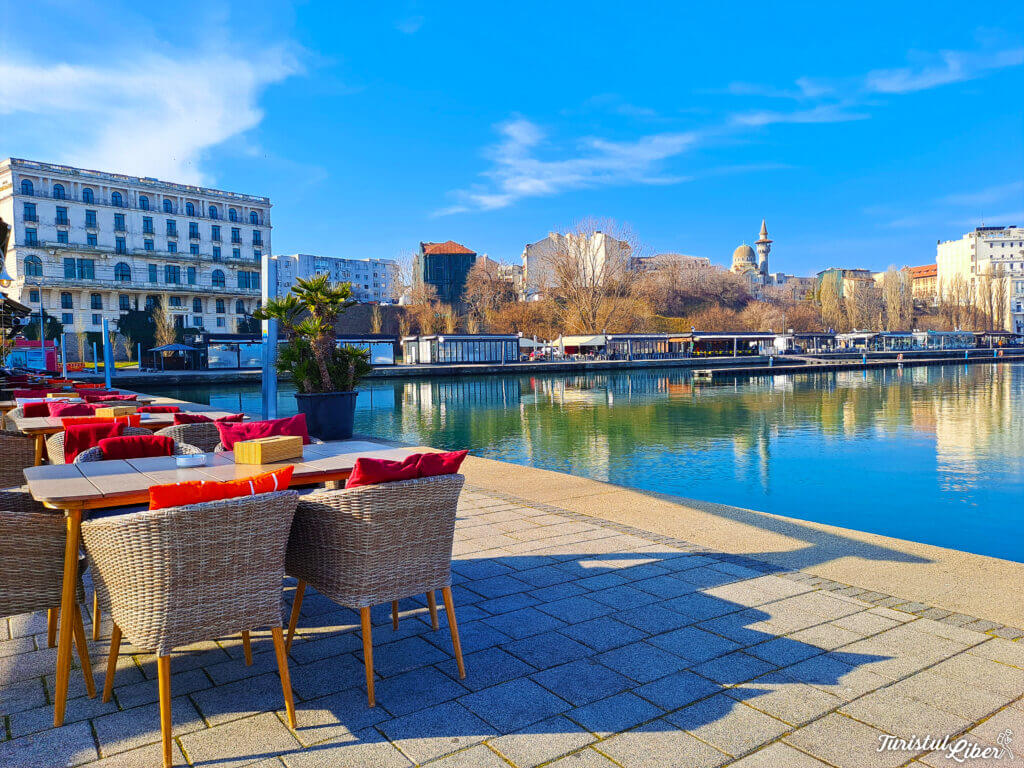
Tomis Tourist Port is where tradition meets modernity, one of the most vibrant areas of Constanta. Here you’ll find elegant yachts and boats, seafront restaurants and lively terraces.
The harbor is the ideal place for a relaxing stroll along the seafront or to rent a boat and explore the surroundings from the open sea. The relaxed atmosphere and picturesque scenery make Tomis Port a popular attraction for locals and tourists alike.
9. Metamorphosis Greek Church
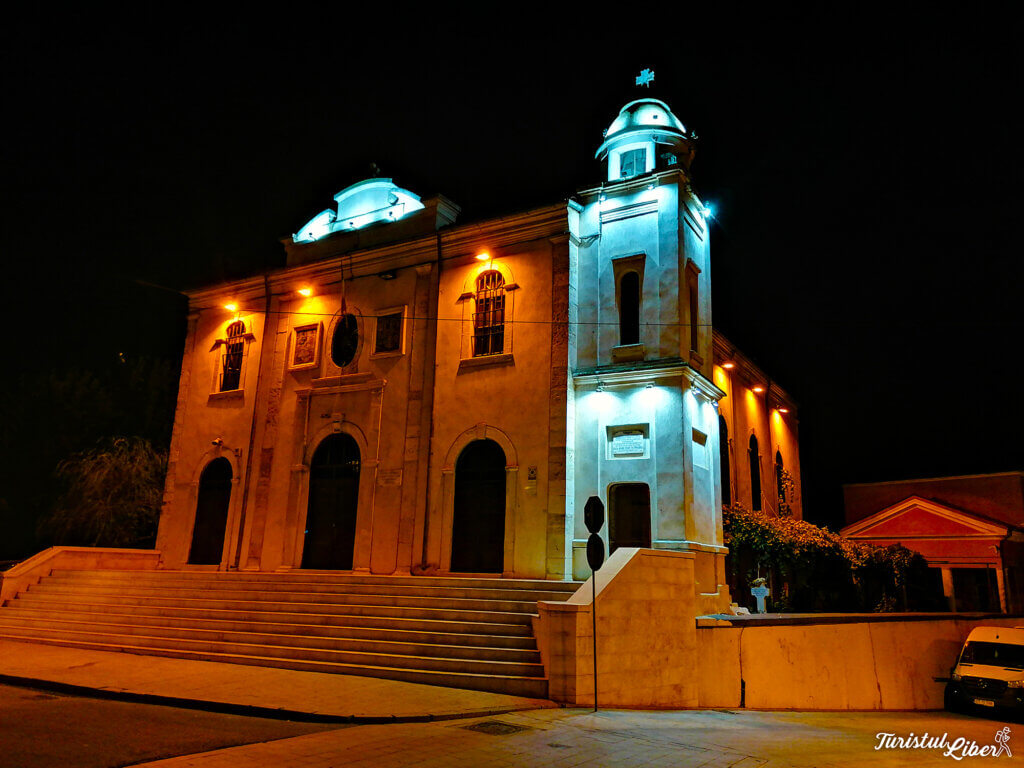
Metamorphosis Greek Church, located in the historic center of Constanta, is an Orthodox place of worship with a history of over a century. Built by the Greek community at the end of the 19th century, the church impresses with its Byzantine frescoes and specific architecture.
Its tower was added later, in 1945. Currently, services are conducted in Romanian.
10. The Wind Street in Constanta
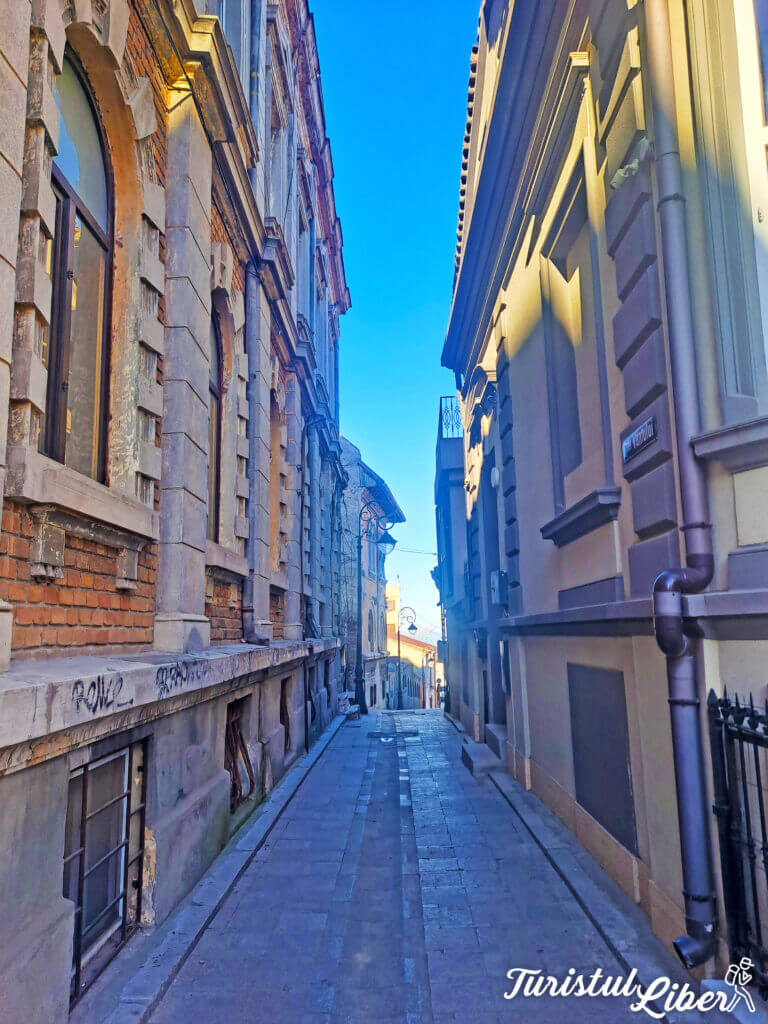
The Wind Street in Constanța is one of the narrowest alleys in the city, but also one of the most picturesque, bringing a special charm to the old center. This alley, hidden between old buildings from the interwar period and houses with traditional Dobrogean architecture, offers an intimate atmosphere and seems as if from another time.
On Wind Lane you’ll discover that every corner hides a story, and its poetic and evocative name suggests the wind that blows incessantly from the sea, amplifying the sense of escape from the urban tumult. It’s a favorite haunt of photographers and tourists in search of authentic details, a little gem that offers a glimpse into the past of this port city with a rich history.
11. Villa Suțu
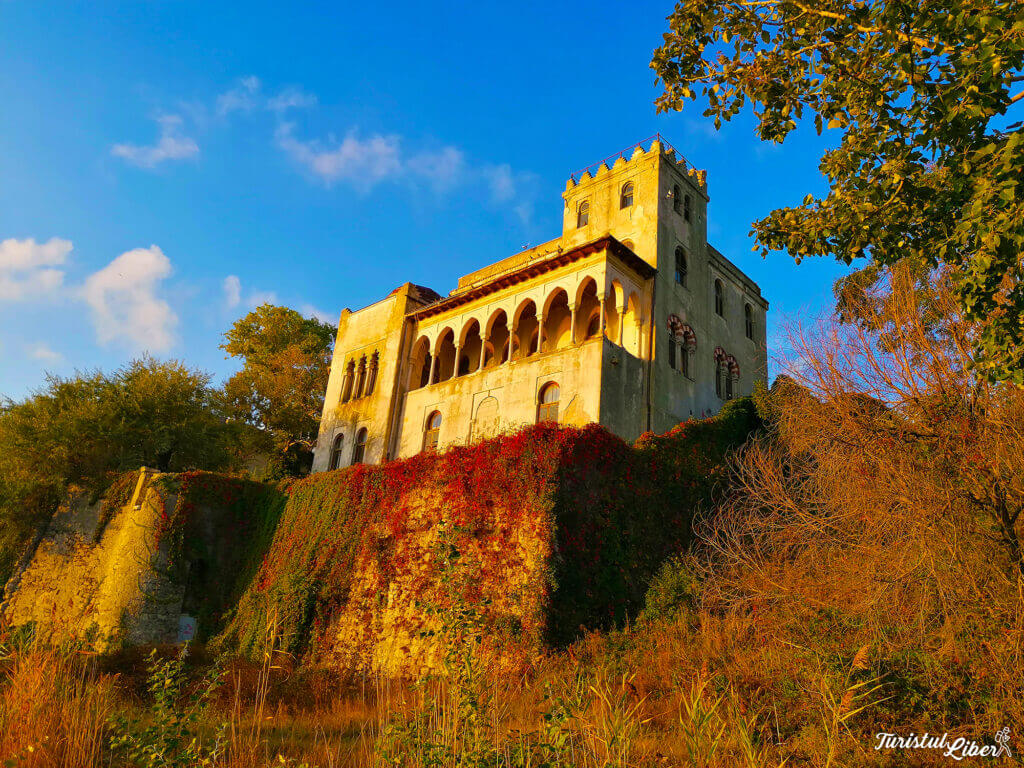
Villa Suțu in Constanta is a particular architectural jewel, impressing by its Moorish style, rare in Romania. Built at the end of the 19th century for the noble Suțu family, the building reflects the elegance and exoticism of this style, with graceful arches, oriental decorative details and geometric motifs that capture your attention.
Situated in a prestigious area of the city, close to the seafront, Villa Suțu preserves many of its original elements intact, making it a special attraction for tourists and architecture enthusiasts. This place is not only a window into Constanta’s aristocratic past, but also an example of cultural diversity, blending local traditions with oriental influences in a unique and fascinating way.
Today you can only see the back of this villa, as it is not yet possible to visit inside.
12. Moor House

The Moorish House in Constanta, known for its exotic architecture, was built by the architect Grigore Cerchez himself for his own use, reflecting his passion for Moorish and oriental influences. Completed in the inter-war period, the house is a unique masterpiece in the architectural landscape of Constanta, with details reminiscent of oriental palaces: horseshoe-shaped arches, decorative elements with geometric motifs and a particular attention to carved details.
Located in the old city center, the building has become a landmark for those interested in the architectural diversity of the area and for tourists who want to see a different side of Constanta. Grigore Cerchez’s house is not only an example of architectural beauty, but also a testament to the cultural openness and creativity of Romanian architects in the first half of the 20th century.
It is currently being restored.
13. Armenian Church
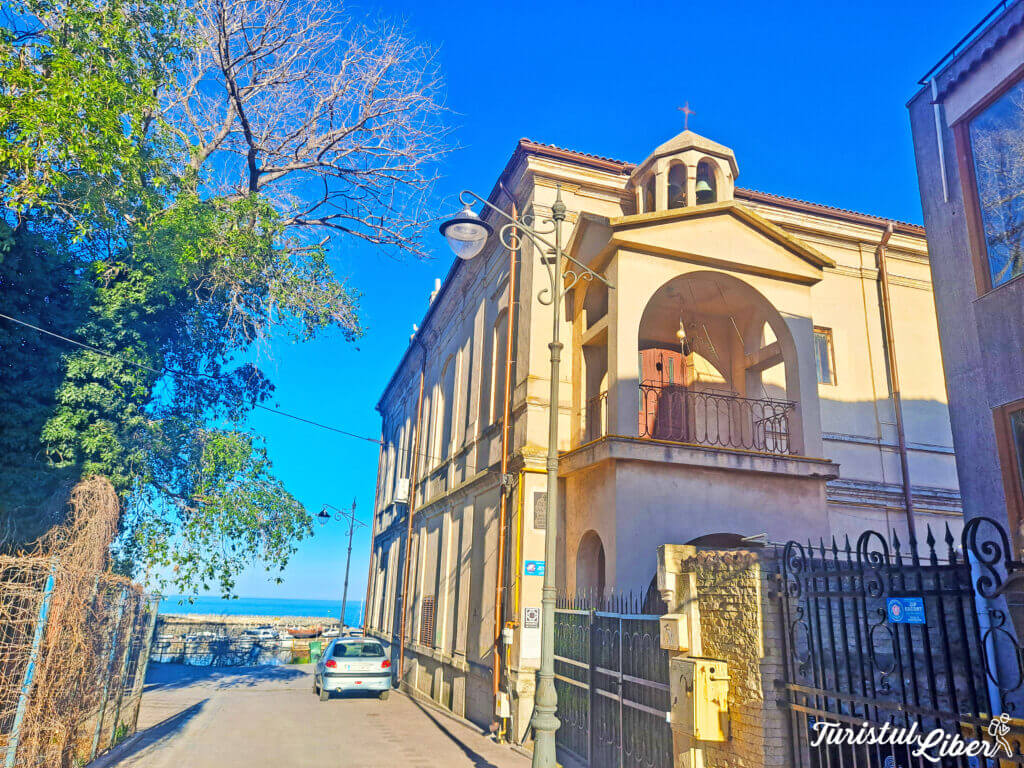
The Armenian Church in Constanta is a special place of worship, important for the local Armenian community. Built in 1880, the church is in neoclassical style.
The building was originally a school and then transformed into a church after the destruction of the small church in the courtyard. There is still a small community of Armenians in Constanta who use it.
14. Stone House or Alleon House
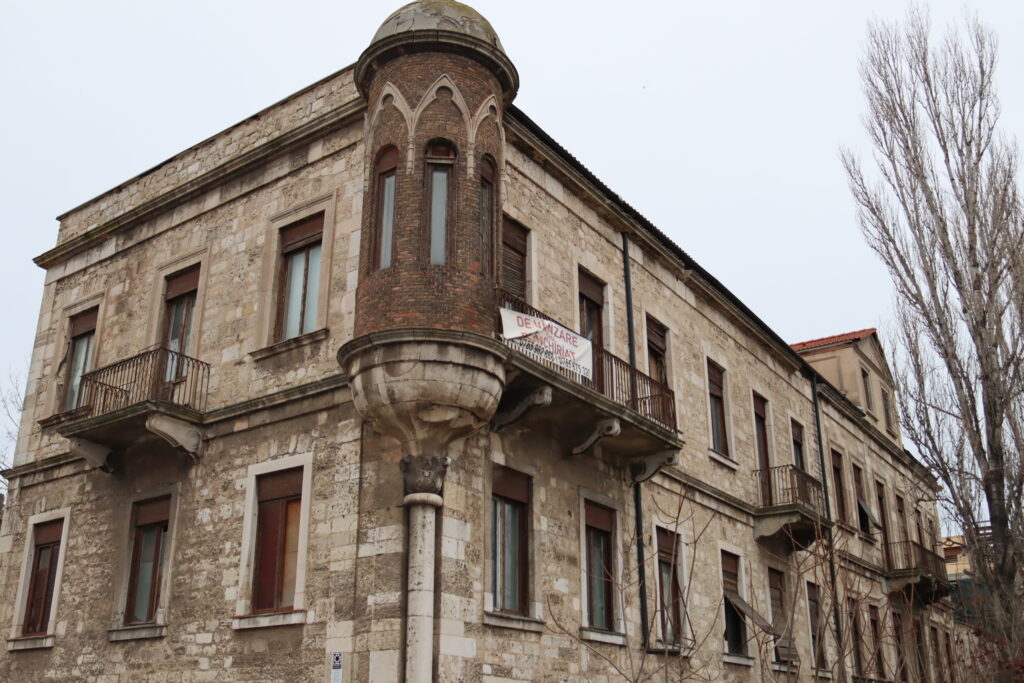
The Alleon House in Constanta was built in 1880 by Jean Gérard Amédée Alleon, an influential figure in the Jewish community and a prominent banker of the time. Located in the historic center, the building reflects the architectural elegance of the late 19th century, with Victorian influences, at a time when Constanta was becoming an increasingly prosperous and multicultural city.
The Alleon House remains a symbol of the Alleon family’s contribution to the development of Constanta, and is still today a point of interest for those interested in history and architectural heritage. Unfortunately the interior cannot be visited.
It was recently bought and is in the process of restoration.
15. Synagogue of Constanta
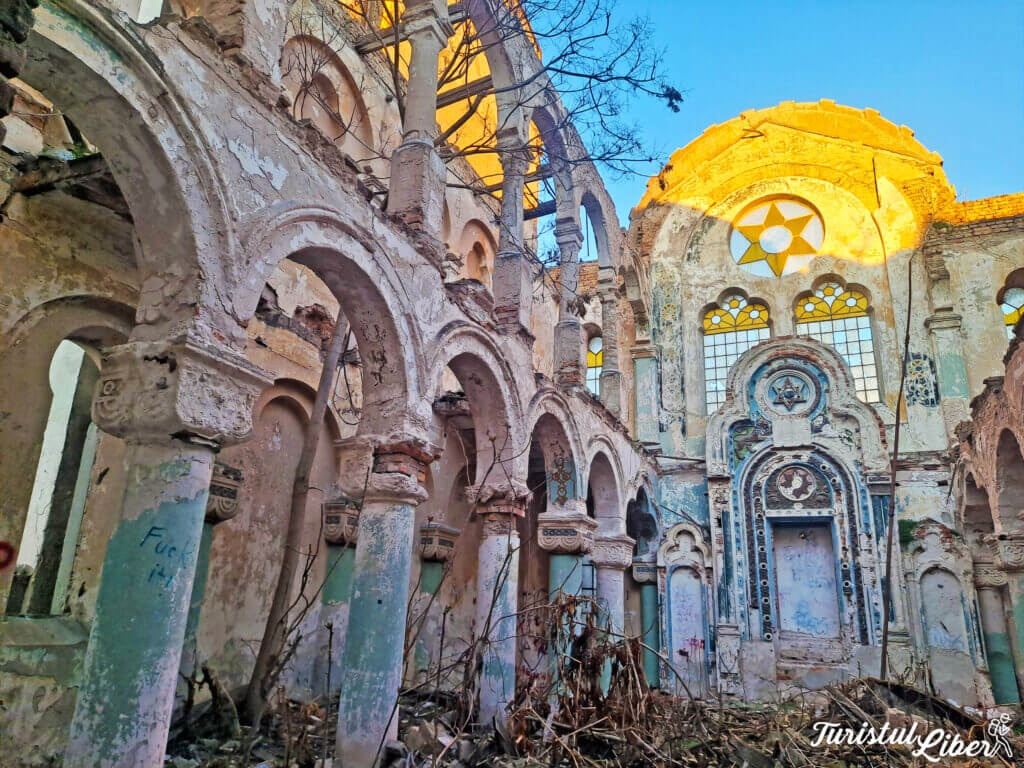
The Ashkenazic synagogue in Constanta is an impressive place of worship, a symbol of the city’s Jewish community and Jewish tradition. Built in 1910, the synagogue is an outstanding example of neo-Romanesque architecture with Byzantine and Ashkenazic influences, with a beautifully decorated facade with carved details and stained-glass windows.
Unfortunately, the roof was damaged and collapsed completely. Thus, the synagogue became a ruin.
It’s currently undergoing restoration, but you can’t visit it yet, only see it from the outside.
16. Hrisicos House
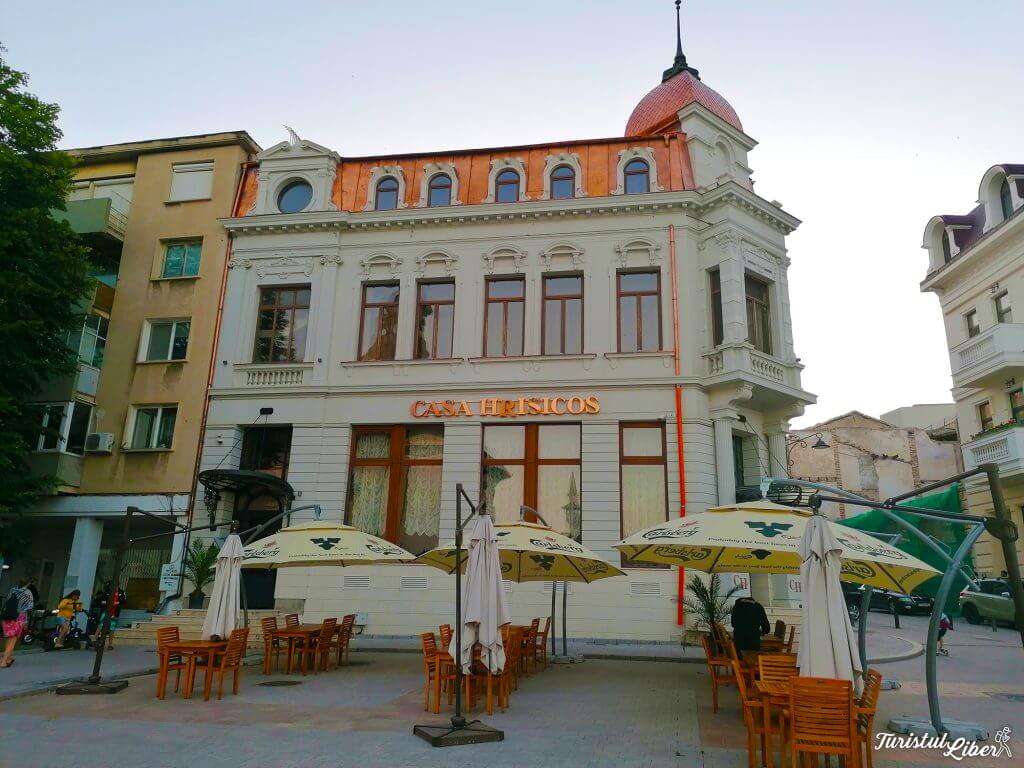
Hrisicos House in Constanta, built in 1901 in an eclectic style, has an interesting story about a wine merchant who borrowed money to build this villa. Although he did not come from a wealthy family, he managed to build an imposing building with baroque and neoclassical architectural details, reflecting the tastes of the period and his desire to leave his mark on the city.
The facade of the house is decorated with floral ornaments and geometric motifs, and its structure commands respect through the symmetry and refinement of its details. Today, Hrisicos House is a remarkable tourist attraction, a testimony to early 20th-century architecture.
17. Statue of the poet Ovid

The statue of the poet Ovid in Constanta is a tribute to a literary figure of great value, who deeply marked Romanian culture. Publius Ovidius Ovidius Naso, known as Ovid, was a Roman poet of the Augustan period, famous for his works such as ‘Metamorphoses’ and ‘The Sad Sad Sadnesses’, in which he described his forced exile in the city of Tomis (now Constanta) on the Black Sea coast. Ovid lived in this city at the end of his life after being exiled from Rome, and his influence on Roman literature and culture is enormous.
His statue in Constanta was placed in 1887 in Ovidiu Square in the city center to honor his literary legacy. Sculpted in bronze, the statue depicts Ovid in the pose of a wise man, symbolizing the close bond between the poet and the city that was his place of exile. It is an important tourist attraction and a symbol of Constanta’s culture and history.
And by the way, he always has a seagull on his head.
18. Former Mercur Hotel
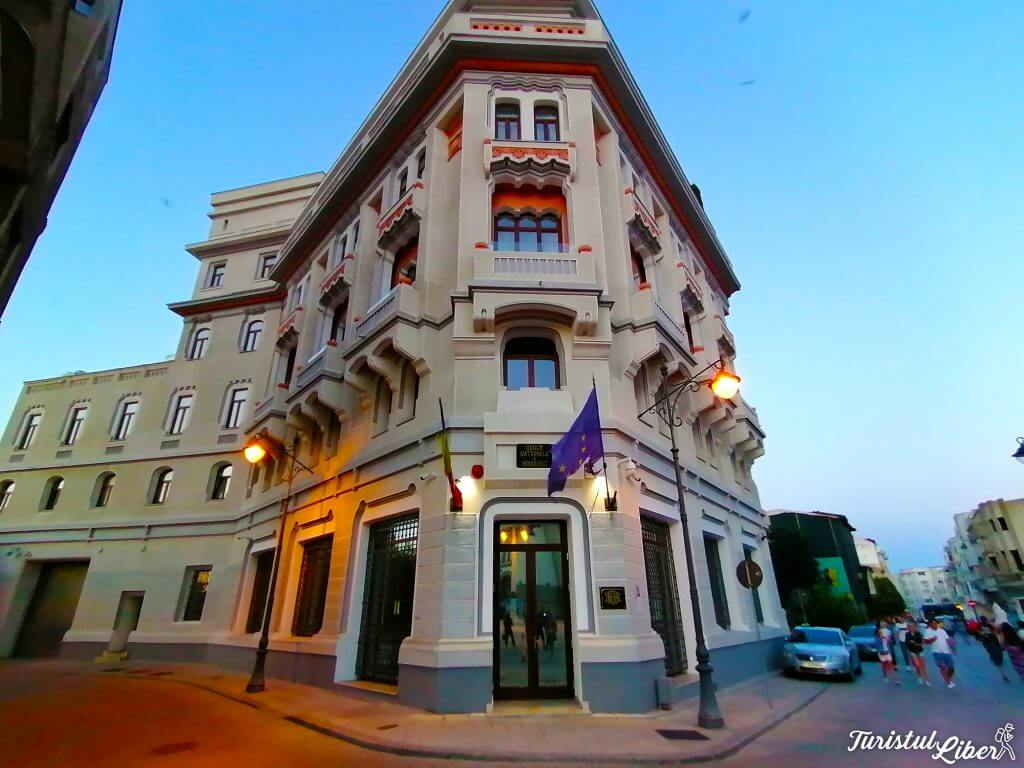
The former Hotel Mercur in Constanța, today the headquarters of the National Bank of Romania (NBR), was a luxury hotel that opened in 1916, but only operated for a short period of about three months. Built in the architectural style of the time, with exquisite details and elegant décor, Hotel Mercur was a symbol of opulence and sophistication, attracting both tourists and business people from all over the world.
However, due to the tumultuous historical context of the First World War, the hotel was quickly closed and failed to reach its potential. After the end of the war, the building was taken over by the state and later, in 1929, it became the headquarters of the National Bank of Romania, a function it still fulfills today. The building is an important landmark in the center of Constanta.
Unfortunately you can’t visit inside.
19. The Lions’ house – Among the most beautiful sights Constanta
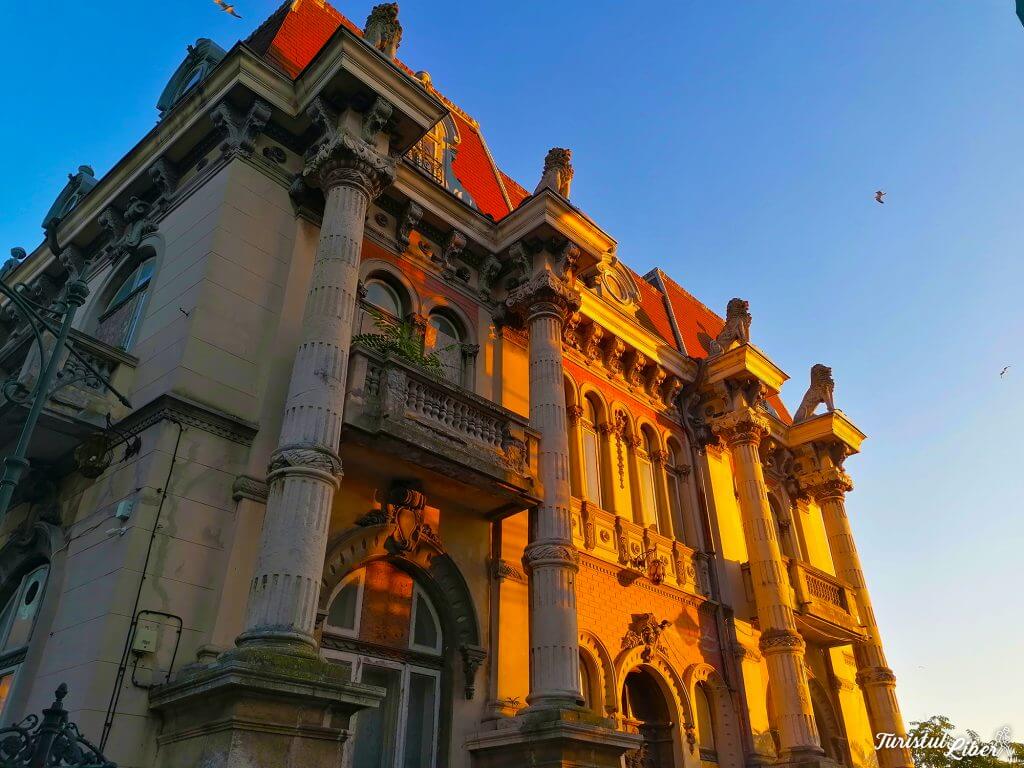
House with Lions in Constanta is an emblematic building, known for its impressive facade, on which there are 4 statues of lions, hence the name of the building. Built in the late 19th century in an eclectic style, the house was originally the residence of a wealthy Armenian family from the city. Its façade, decorated with architectural features such as columns, friezes and, of course, the 4 carved lions, attracts the attention of passers-by.
Over the decades, the Lion House has witnessed many changes and hosted various commercial activities, and today it is an important tourist attraction, appreciated for its architectural value and the historical atmosphere it exudes. Unfortunately, you cannot visit inside. It has been bought by a private owner and will hopefully be restored.
20. Hotel Intim
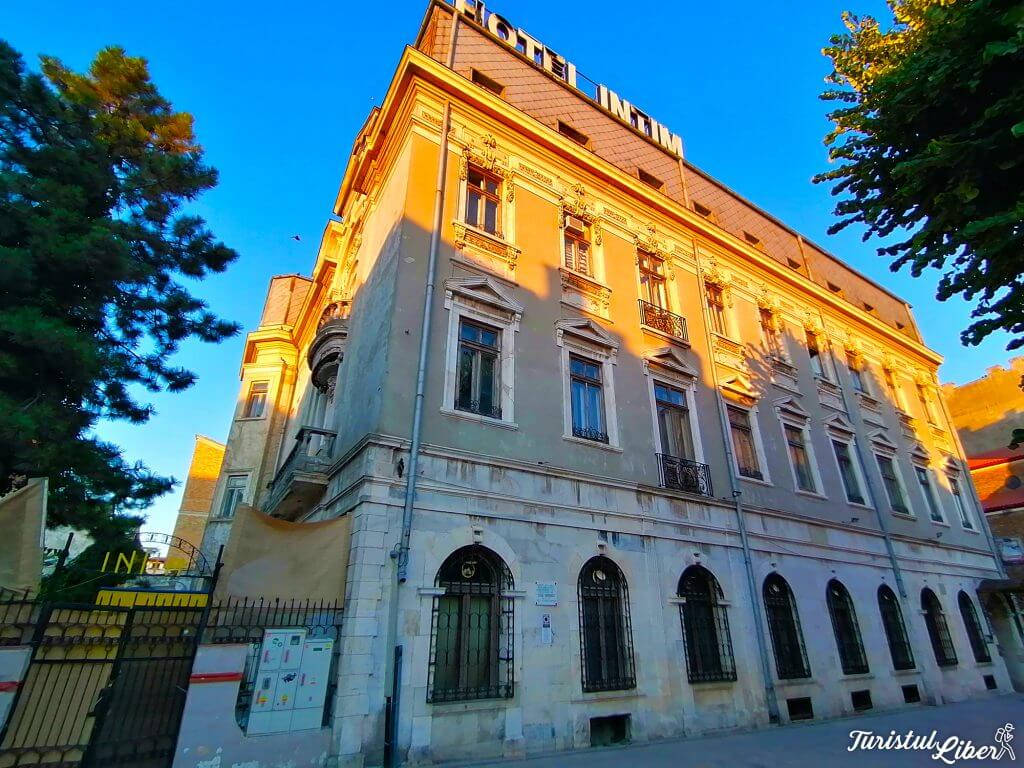
The Intim Hotel in Constanta, located in a building with a fascinating history, was formerly known as Hotel D’Angleterre, a luxurious accommodation where Mihai Eminescu stayed for 10 days. Here, in 1884, the great poet stayed for a short time, and this became an important detail in the history of the place.
After that, the hotel was renamed Hotel Regina, continuing to attract tourists and important travelers. Today, the building is home to the Hotel Intim and is under restoration to preserve and enhance its architectural heritage.
Over the years, the hotel has been a city landmark, and the current renovations promise to preserve the historic charm of the building. We hope you can visit it soon.
21. Roman Catholic Church
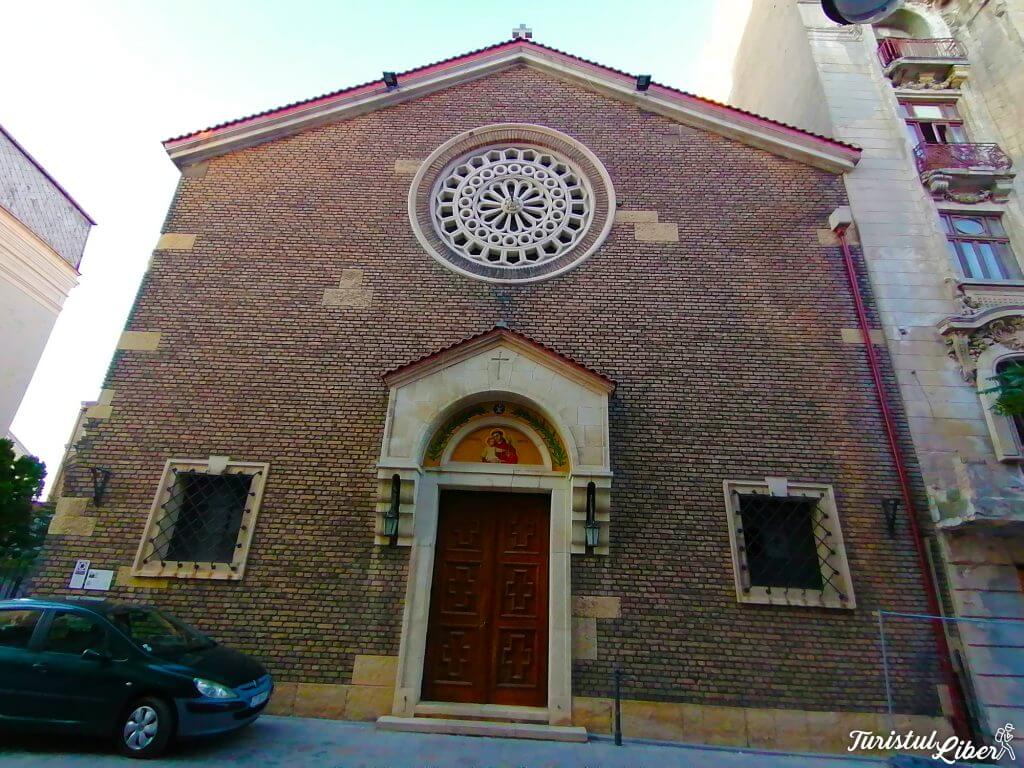
The Roman-Catholic Church of St. Anton in Constanta was built between 1933 and 1934 and is a significant example of Romanesque architecture, with influences from northern Italy. The building is made of brick and its architectural style is characterized by simple but imposing lines, with large and solid arches, typical of Romanesque architecture.
The facade of the church is dominated by a wide portal with a beautiful arch and a central rosette, elements that reflect the influences of the Italian Romanesque style. The roof of the church is in the traditional style, moderately high, and the interior details are less ornamental, emphasizing the sobriety and simplicity of the Romanesque style.
22. Embiricos House
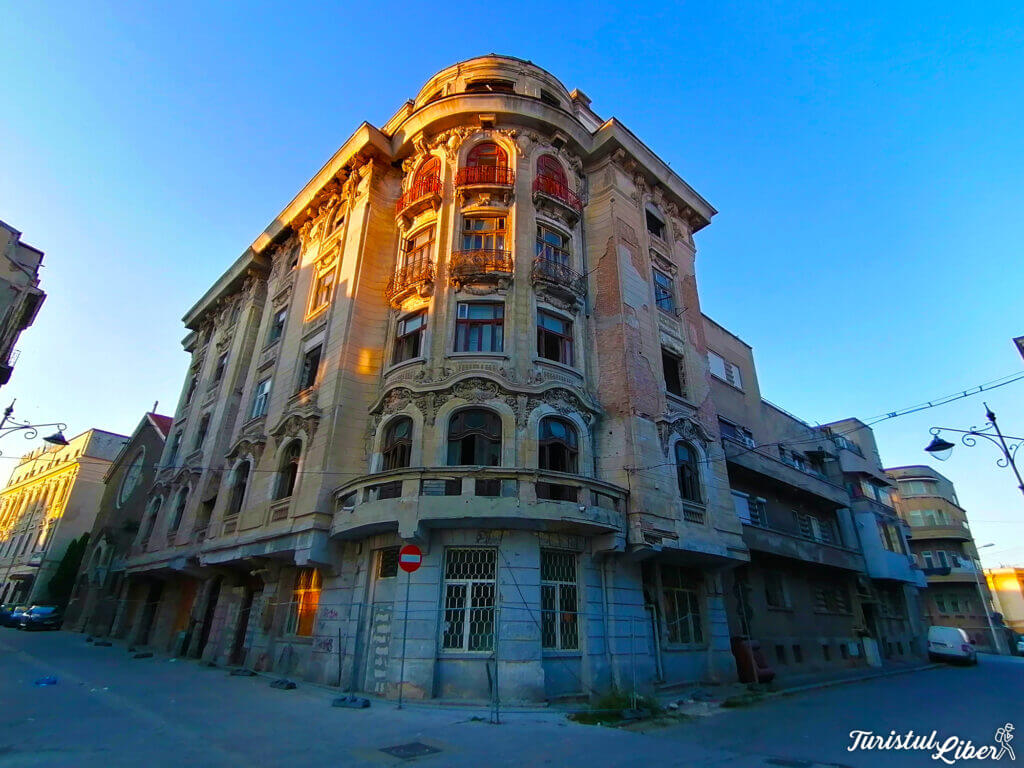
The Embiricos House in Constanta, built in the early 20th century, is a building with an interesting history, linked to the Embiricos family, one of the most important merchant families in the city. In the 1920s, the Embiricos brothers used this building as a point of sale for boat tickets connecting Constanta to New York.
The house, built in Art Nouveau style, reflects the architectural influences of the time and is an outstanding example of urban construction in Constanta.
It is currently being restored.
23. Constanta Dolphinarium
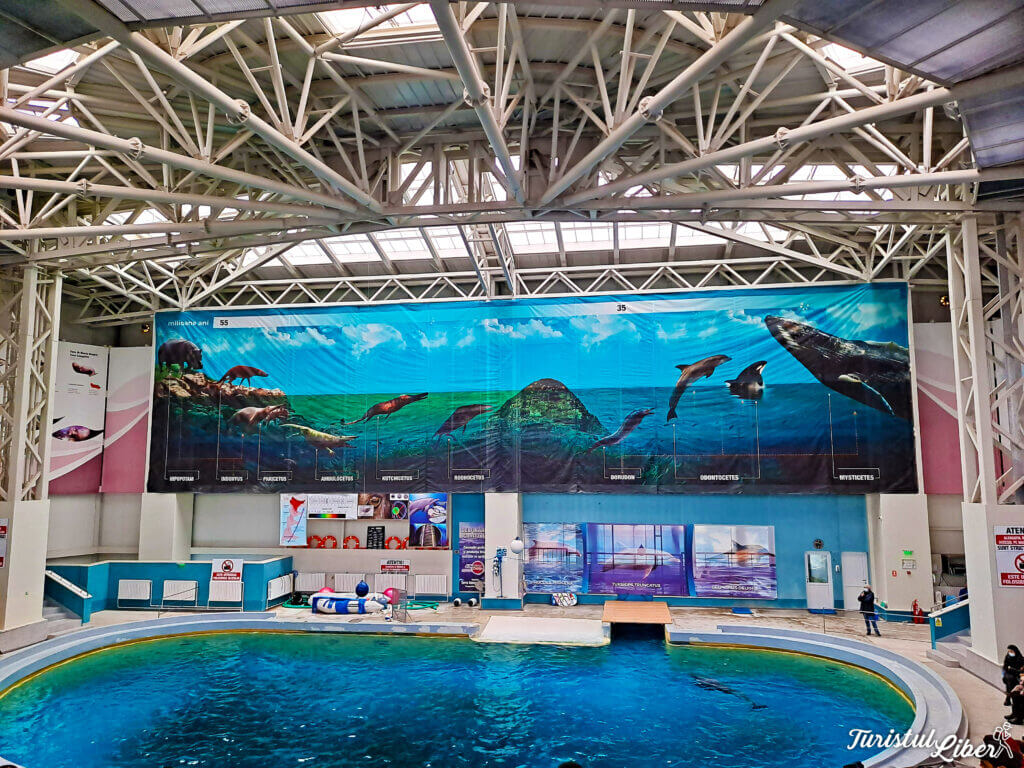
Constanta Dolphinarium is one of the city’s most popular attractions, offering visitors the chance to interact with dolphins in an exciting show. The program at the Constanta Dolphinarium lasts about 25 minutes and includes a series of spectacular tricks, swimming and jumps performed by the dolphins that live here.
Among them are two dolphins from Ukraine, which were brought here as part of an international exchange, adding an element of diversity to the marine wildlife here. The dolphinarium is the ideal place for a day out with the family, offering an educational as well as entertaining experience, and is an attraction well worth a visit to see these intelligent mammals in action. In addition to the dolphin shows, the complex also includes other educational facilities to help visitors understand the importance of protecting the marine environment.
You can also visit Constanta’s microreserve.
24. Tabacarie Park

Tăbăcărie Park in Constanța is a wonderful place to relax and have fun, ideal for nature lovers. Located near the Tăbăcărie lake, this park offers a picturesque landscape where you can enjoy the tranquility of the water and the fresh air of the area.
Lake Tăbăcărie, which dominates the park, is a perfect place for boating or admiring the abundant vegetation and local wildlife. The park is equipped with paved paths, children’s playgrounds and seating areas, making it suitable for both a leisurely stroll and recreational activities. The area is also frequented by amateur anglers, making it an ideal spot for fishing. Tannery Park is a popular place for picnics, outdoor sports or simply to enjoy nature and unwind from the hustle and bustle of the city.
25. Santa Maria Bay

Santa Maria Bay in Constanța is a special place that combines the natural beauty of the sea with a relaxing urban landscape. This long, manicured cliff offers a magnificent view of the Black Sea and is ideal for strolling along the shore, where you can enjoy the salty air and the sounds of the waves.
The Santa Maria Bay waterfront is characterized by its tranquility and calming atmosphere, making it the perfect place to relax and enjoy the spectacular scenery. This is a special and easily accessible place that will make you really feel the Italian spirit in Constanța, offering you a special experience in the middle of nature.
Much has been written and will be written about Constanta. In fact, you can even write your own memories here, why not?
Where to eat well in Constanta?
Vacations are also about food. So, if you’re wondering where to eat well in Constanta, we’ve prepared for you some recommendations where you’re sure to go.
Pizzico Restaurant

Pizzico Restaurant in the heart of Ovidiu Square is the place to enjoy some of the best dishes in Constanta. Here you can find well-cooked Osso Bucco, delicious pasta, well-cooked beef and great pizzas. It is, without exaggeration, one of the best restaurants in Constanta!
Atic Millennium Restaurant
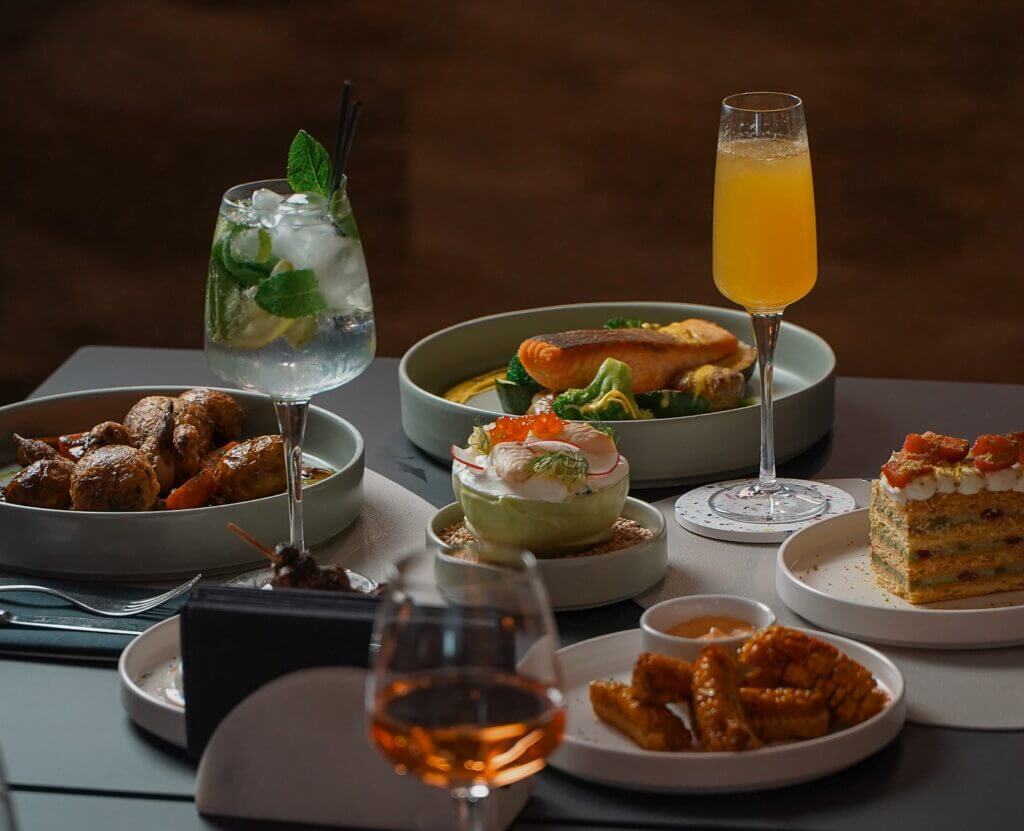
Atic Millennium is the restaurant with a spectacular view of the city, right from the 8th floor. From its terrace, you can even see the sea, and the food is exceptional. Both the interior and the menu are minimalist, encapsulating the dishes. And the prices are very good for the quality on offer.
Gyros & Doner Constanta

For the best gyros or doner in Constanta, go to Gyros & Doner, on Ștefan cel Mare. It’s a fairly recently opened location, but it offers top quality products. The doner bun is made in-house, the sauces are brought straight from Greece, and it shows. You won’t leave disappointed at Gyros & Doner Constanta!
Where to have a good coffee in Constanta?
Coffee is the fuel of any vacation. So we’ve put together a few recommendations for you where we like to drink our coffee too.
Here’s what they are:
Correct Constanta

Corretto is one of the best cafés in Constanta. Stefan, the owner, is passionate about everything to do with coffee, from selecting the green beans to roasting and brewing. Here you will truly drink specialty coffee.
The Donut Library
The Donut Library is more than just a coffee shop. It’s where the taste of coffee meets the flavor of fresh donuts. We have to admit that every time we’re in the area, we go in for an Oreo donut with espresso. You have to try them. They’re divine.
Constanța is, indeed, a mix of people and cultures to love or hate.
But it’s worth finding out its story, because it’s special.